

Angel Over Boston ALS Therapy Workshop
ALS Therapy Workshop Researchers/Clinicians
Robert Brown, D. Phil., M.D.
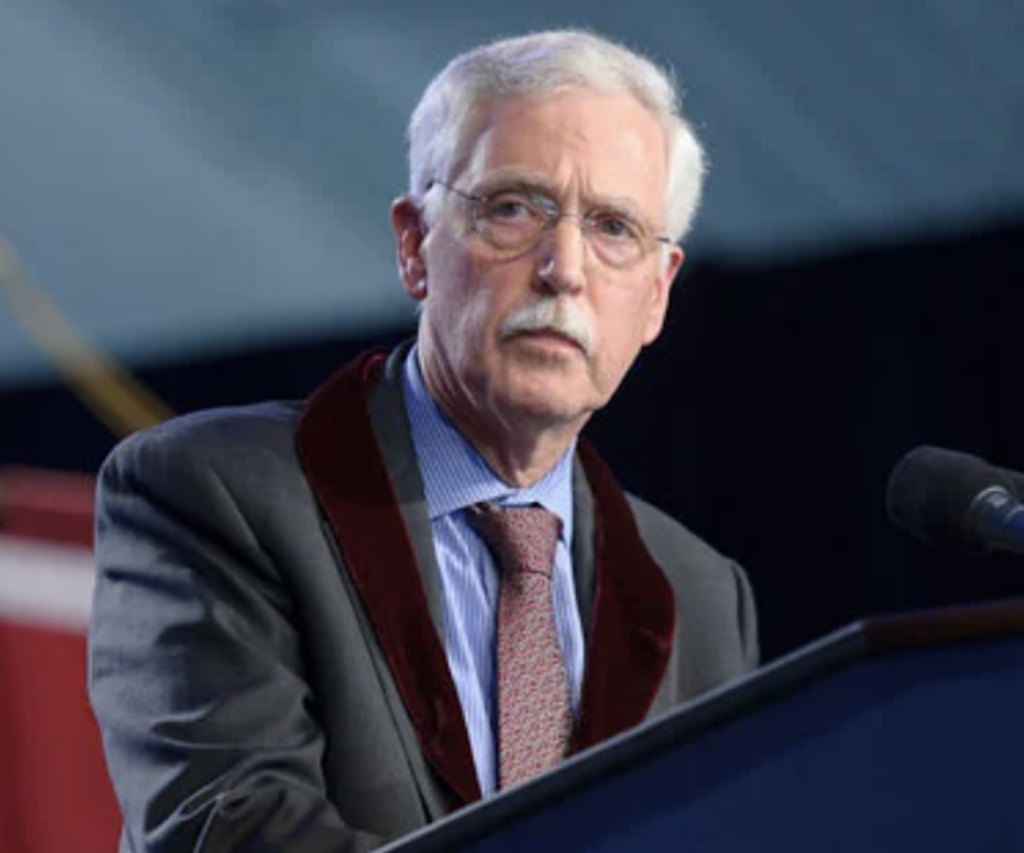
Dr. Brown earned a D.Phil. in Neurophysiology (Oxford, 1973) and an M.D. (Harvard, 1975). After a neurology residency at the Massachusetts General Hospital/Harvard Medical School (1980), he joined the faculty at the Massachusetts General Hospital and co-directed the Neuromuscular Clinic. In 2008, he became the chair of neurology at UMass Chan Medical School and served in that capacity through 2018, when he became the Director of Neurotherapeutics for UMass Chan Medical School. He currently holds the Donna and Robert J. Manning Chair of Neuroscience. With colleagues, Dr. Brown identified several ALS genes including SOD1 (1993) and FUS/TLS (2009). He also defined causative gene defects in hyperkalemic paralysis (skeletal muscle sodium channel, 1991), limb girdle dystrophy type 2B (dysferlin, 1998), and hereditary sensory neuropathy (serine palmitoyl-transferase, 2001). He and colleagues demonstrated that antisense oligonucleotides (1994) and siRNA (2004) can be employed to suppress the SOD1 gene in vitro.
At UMass Chan, he and his team initiated two proof-of-concept human trials of gene suppression therapy in familial ALS, targeting SOD1 (AAVrh10-microRNA, 2020) and C9orf72 (anti-sense oligonucleotides, 2022). He is a member of the National Academy of Medicine, the American Academy of Arts and Sciences, and a past president of the American Neurological Association.
Dr. Daryl A. Bosco
Dr. Peter Andersen
Professor Peter M. Andersen MD, DPhil is a consultant neurologist and director of the ALS-FTD Research Consortium at Umeå University Hospital, Sweden. He obtained his neurology training at the same hospital and defended his doctoral thesis on SOD1 and ALS in 1997. While doing his research on SOD1 families 1993-97, Dr. Andersen had also found several large Swedish ALS families with concomitant FTD disease in the same or other family members, fueling an emerging hypothesis that there are many types of ALS disease and that the same genetic defect may be underpinning ALS and FTD. In 1998-1999, he was a post-doc medical research fellow in the lab of Professor R.H. Brown Jr. at MGH-Harvard, performing genetic linkage studies in two of these ALS-FTD families. Four loci were identified, one of them at 9p21 later leading upp to the discovery of the C9orf72HRE allele as a cause of ALS and FTD. Returning to Sweden, he became a lecturer and in 2010 a full professor of neurology. In 2016-2026 he is a KAW Clinical Scholar, the most prestigious clinical research position in Sweden. He played a leading role in studies 2003-2020 suggesting that misfolded wtSOD1 may be involved in ALS without mutations in the gene (including in C9orf72HRE patients) and in studies showing that mutant SOD1 protein forms prion-like strains and that at least three such strains exists with different phenotypes.
His research now have four arms a) how mutant SOD1 protein forms SOD1 prions, b) the pleiotropism of C9orf72HRE in ALS/FTD/PD, c) the genetics of ALS and in particular de novo mutations and d) running precision medicine drug trials to modulate genes involved in ALS. His team has been participating in Biogen’s tofersen trials, IONIS’ ION363 trial, uniQure’s AMT-162 trial and Regeneron’s GOALS study (ongoing). His team was also the top participating site in the recent AP101-02 study testing a monoclonal antibody against misfolded SOD1 protein in both patients with and without SOD1 mutation.
His ALS-FTD research is closely associated with the multi-diciplinary care team at Umeå University Hospital which he established as a young resident in 1992. The team not only cares for patients and their relatives in Sweden but also performs second-opinion assessment of patients and genetic counselling of particular difficult cases from the other Nordic countries.
Dr. James D. Berry
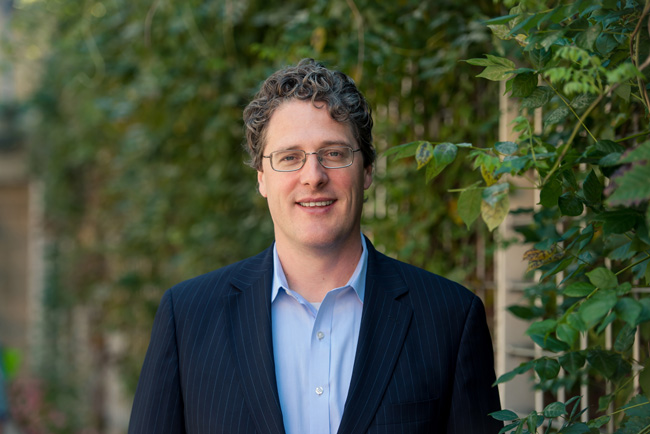
James D. Berry is an active ALS clinician and clinical researcher. He is the Chief of the Division of Motor Neuron Diseases at Massachusetts General Brigham and Director of the MGH Neurological Clinical Research Institute. He oversees the NEALS biorepository and is one of the mPIs leading the ALL ALS Consortium (www.all-als.org). He is also actively working to identify and validate decentralized clinical trial methodologies, including the ALS Functional Rating Scale – Revised for Self-Entry (ALSFRS-RSE) and digital health technologies such as accelerometry and motor speech analysis. Dr. Berry is also an active clinical trialist, leading ALS trials testing novel therapeutic approaches including small molecules, ASOs, gene therapies and cell therapies.
Dr. Merit Cudkowicz
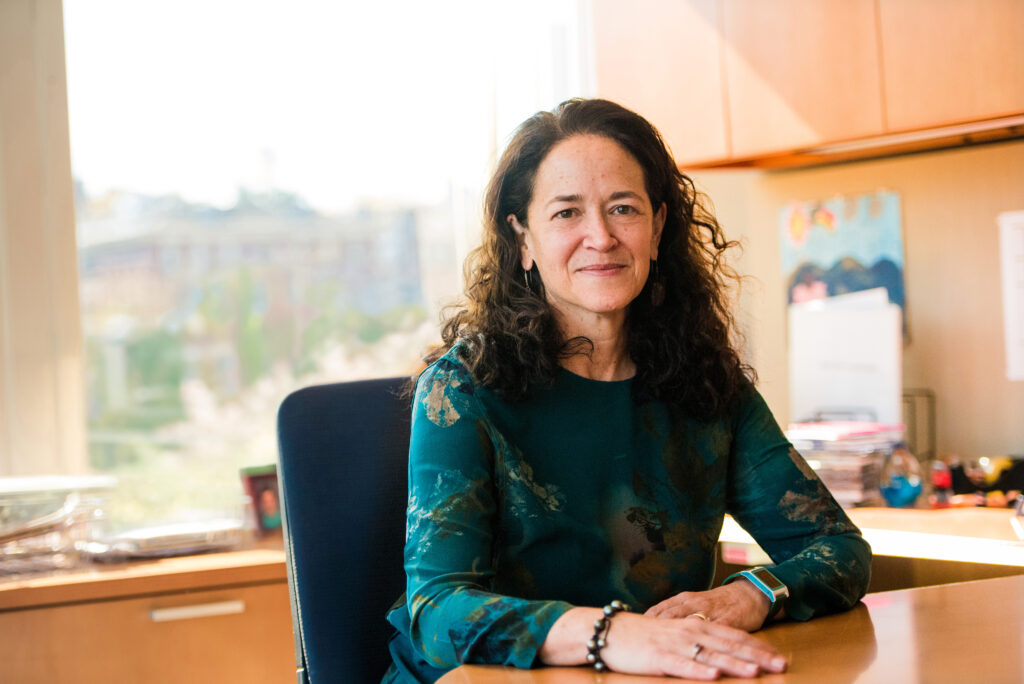
Dr. Merit Cudkowicz is the inaugural Executive Director of the Mass General Brigham Neuroscience Institute, Former Chair of Neurology and current Director of the Sean M. Healey & AMG Center for ALS at Mass General Hospital and the Julieanne Dorn Professor of Neurology at Harvard Medical School. Dr. Cudkowicz is one of the founders and former co-directors of the Northeast ALS Consortium (NEALS), a group of over 150 clinical sites in the United States, Canada, Europe and the Middle East dedicated to performing collaborative academic-led clinical trials and research studies in ALS. She is leading the first Platform Trial initiative in ALS and is also the Principal Investigator of the Clinical Coordination Center for the National Institute of Neurological Disorders and Stroke’s Neurology Network of Excellence in Clinical Trials (NeuroNEXT). She is a member of the National Academy of Medicine, American Association of Physicians and board member for the American Brain Foundation and American Neurological Association. Dr. Cudkowicz provides mentorship to physicians globally in careers in experimental therapeutics.
Dr. Eleonora D'Ambrosio
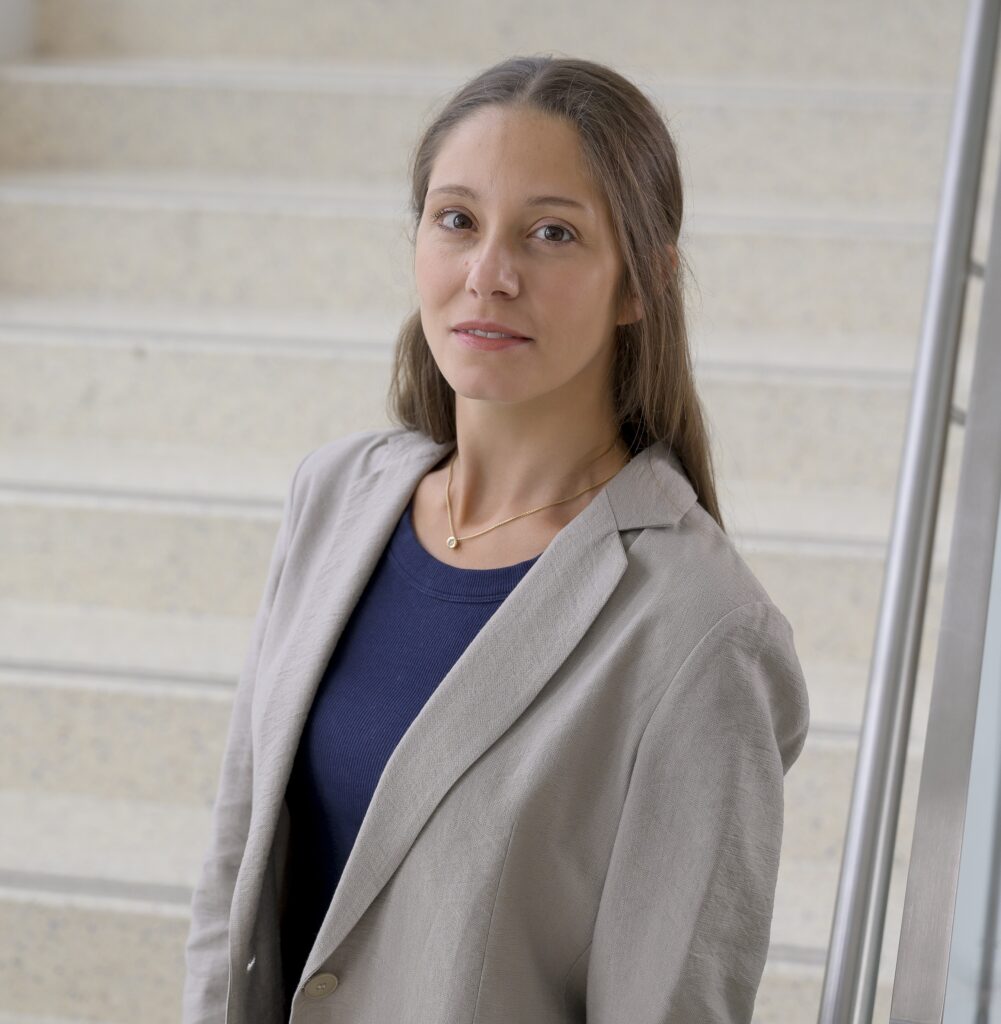
Dr. Eleonora D’Ambrosio is a neurologist specializing in neuromuscular disorders and gene therapy. After completing her neuromuscular fellowship at Massachusetts General Hospital and gene therapy training at Nationwide Children’s Hospital, she joined UMass Chan Medical School, where she serves as Medical Director of the Translational Institute for Molecular Therapeutics (TiMT). Her work focuses on advancing gene therapies for rare neurodegenerative and neuromuscular diseases from the laboratory to early-phase clinical trials.
Dr. Catherine Douthwright
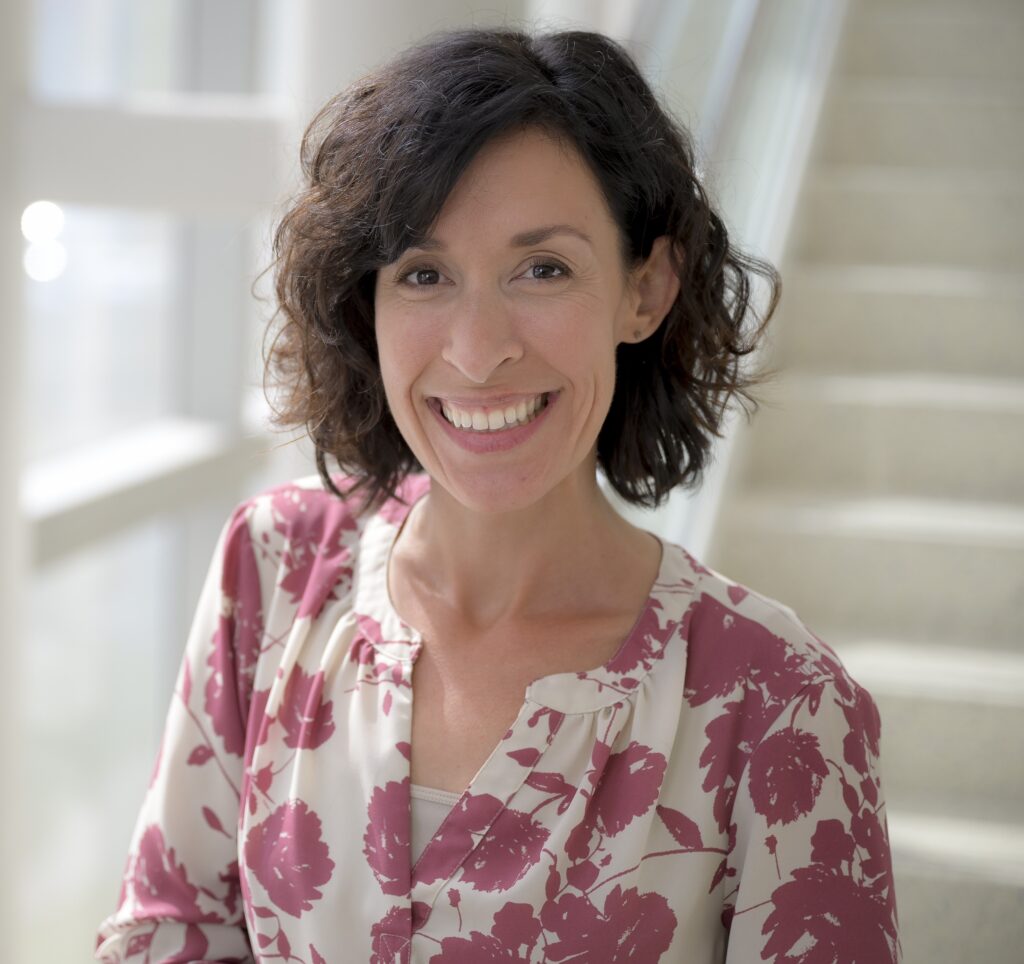
Catherine Douthwright, PhD, is an Assistant Professor of Neurology and a certified clinical research professional with 12 years of experience leading clinical research in neuromuscular diseases. She earned her PhD in Biomedical Sciences from UMass Chan Medical School in 2014, where she trained in the laboratory of Dr. Daryl Bosco, investigating the molecular mechanisms underlying amyotrophic lateral sclerosis (ALS). Following her doctoral training, Dr. Douthwright transitioned into clinical research, overseeing studies across the full spectrum of clinical development—from multicenter Phase 3 trials to first-in-human Phase 1 gene therapy studies and individualized n=1 therapeutic protocols. Her research portfolio encompasses neuromuscular and rare genetic disorders, with an emphasis on ALS and facioscapulohumeral muscular dystrophy (FSHD). She directs the operational management of complex clinical trials, collaborating with academic investigators, industry sponsors, and multidisciplinary clinical teams to advance innovative therapies for patients with neuromuscular diseases.
Dr. Fen-Biao Gao
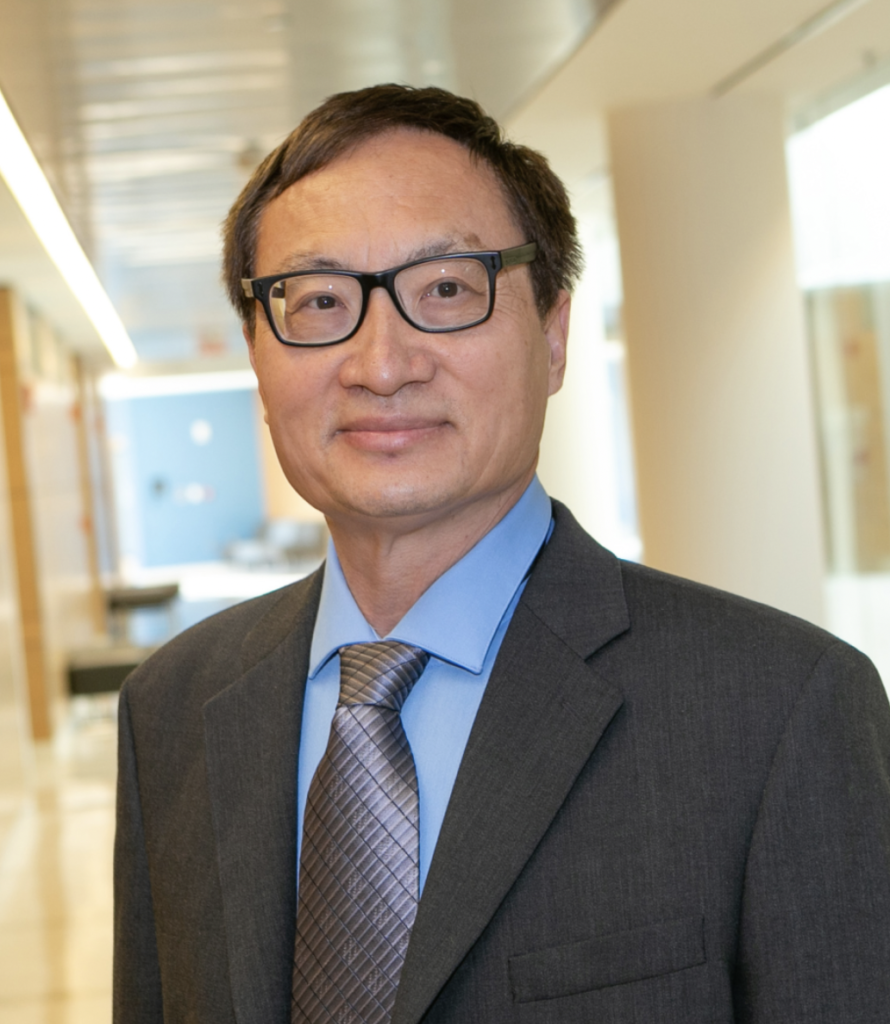
Dr. Fen-Biao Gao is currently a Professor of RNA Therapeutics and the Founding Director of the Frontotemporal Dementia Research Center at the University of Massachusetts Chan Medical School. He holds the Governor Paul Cellucci Chair in Neuroscience Research since 2017. He completed his Ph.D. study at Duke University in 1995 and then did postdoctoral trainings at University College London with Dr. Martin Raff and University of California San Francisco (UCSF) with Dr. Yuh-Nung Jan. He established his own laboratory at the Gladstone Institute of Neurological Disease at UCSF in 2000. He was then recruited to UMass Chan by Dr. Robert Brown as a full professor in 2010. Dr. Gao has made significant contributions to our understanding of pathogenic mechanisms of FTD and ALS, in particular on C9ORF72 mutations. He has co-organized several international conferences and served as the chair for the inaugural Gordon Research Conference on FTD and Related Rare Dementias in 2026. Dr. Gao is currently a standing member of the Research Advisory Council of the Muscular Dystrophy Association, the Medical Advisory Council of the Association for Frontotemporal Degeneration, the King Trust Basic Sciences Review Committee and the Scientific Advisory Board for the NINDS Human Cell and Data Repository. Dr. Gao was a Sloan Research Fellow in Neuroscience, a Klingenstein Fellow in Neuroscience, and a recipient of McKnight Neuroscience of Brain Disorders Award. In 2018, he received a Jacob Javits Neuroscience Investigator Award from the NINDS/NIH. In 2025, he was elected a Fellow of the American Association for the Advancement of Science.
Dr. Jonathan D. Glass
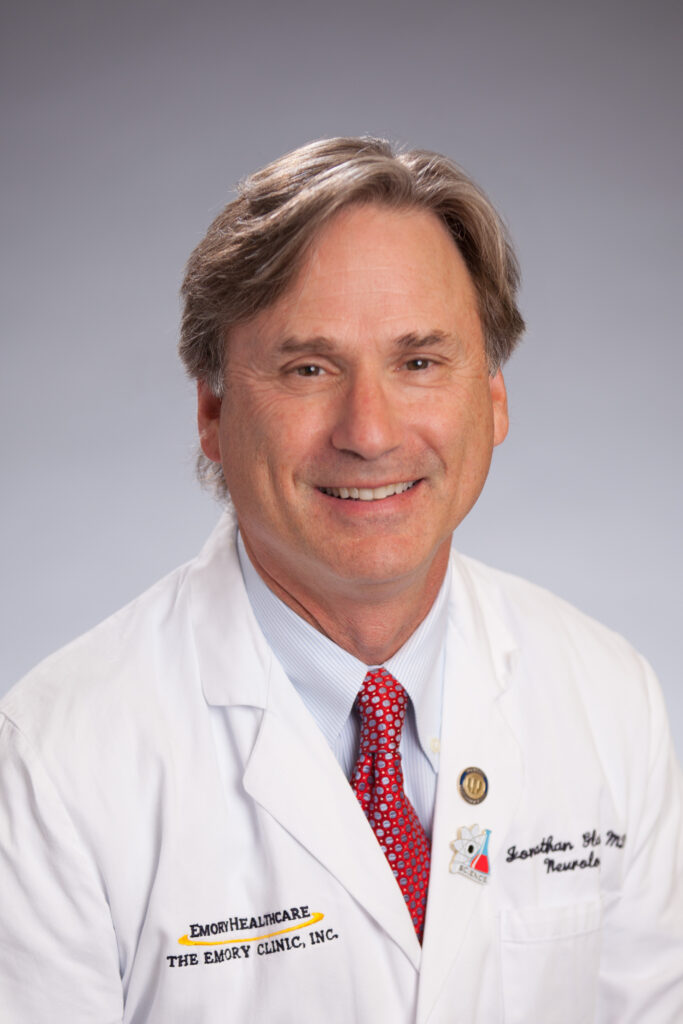
Jonathan D. Glass, MD, is Professor of Neurology and Pathology at the Emory University School of Medicine and Director of the Emory ALS Center and the Emory Alzheimer’s Disease Research Center Brain Bank. An internationally recognized clinician-scientist in neurodegenerative diseases, Dr. Glass has dedicated his career to advancing the understanding of amyotrophic lateral sclerosis (ALS) through translational research that integrates clinical phenotyping, genetics, biomarkers, and neuropathology. He has led numerous multicenter clinical trials and biomarker studies, has served in leadership roles within the Northeast ALS Consortium (NEALS), and oversees one of the nation’s largest ALS biobanks and longitudinal patient cohorts. His research focuses on identifying molecular drivers of ALS progression and developing precision medicine approaches to improve diagnosis, prognostication, and therapeutic development for patients with neurodegenerative disease.
Dr. Özgün Gökçe
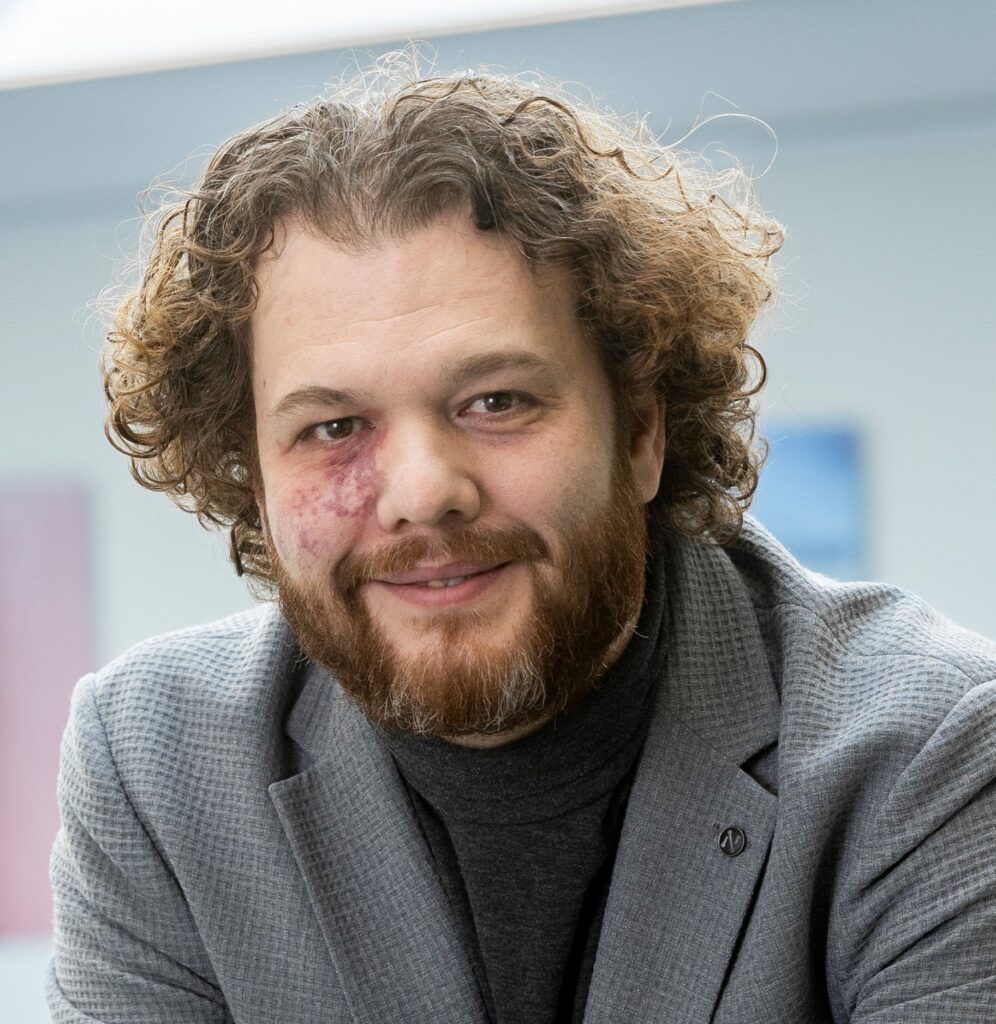
Özgün Gökçe is a brain scientist who studies how the brain ages and what goes wrong in diseases like ALS, frontotemporal dementia, and Alzheimer’s. He combines laboratory experiments with computational analysis to study the brain one cell at a time.
He is a Professor at the University of Bonn and leads a research group at the DZNE in Germany. He trained at Stanford University with Thomas Südhof and Stephen Quake, earned his PhD at EPFL in Switzerland, and studied molecular biology at Boğaziçi University in Istanbul. His work has been recognized by the NIH, the Brain & Behavior Research Foundation, and the Chan Zuckerberg Initiative.
Dr. Marc Gotkine
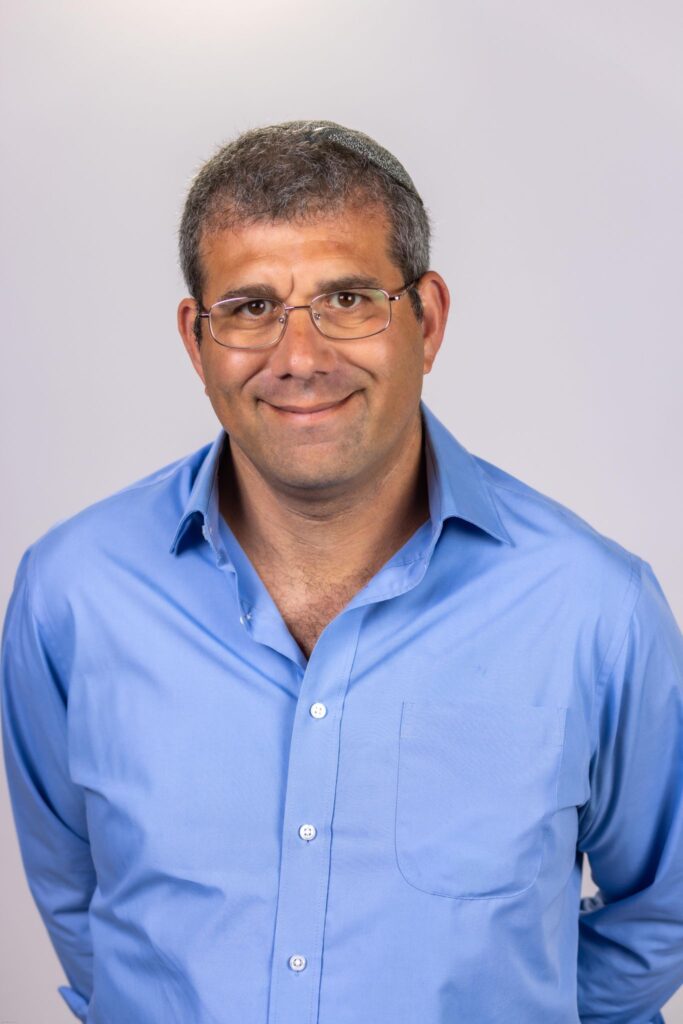
Marc Gotkine MBBS is Head of the Neuromuscular and EMG Unit and Head of Neurology Student Education at Hadassah Medical Center and the Hebrew University of Jerusalem, Israel. He has had active involvement in clinical trials of Afinersen for C9orf72-associated ALS and direct experience with compassionate use of the drug in patients with this devastating condition. Marc Gotkine combines a busy clinical neuromuscular practice with a strong commitment to neurology education and translational research, and he looks forward to contributing to the upcoming workshop.
Dr. Annett Halle
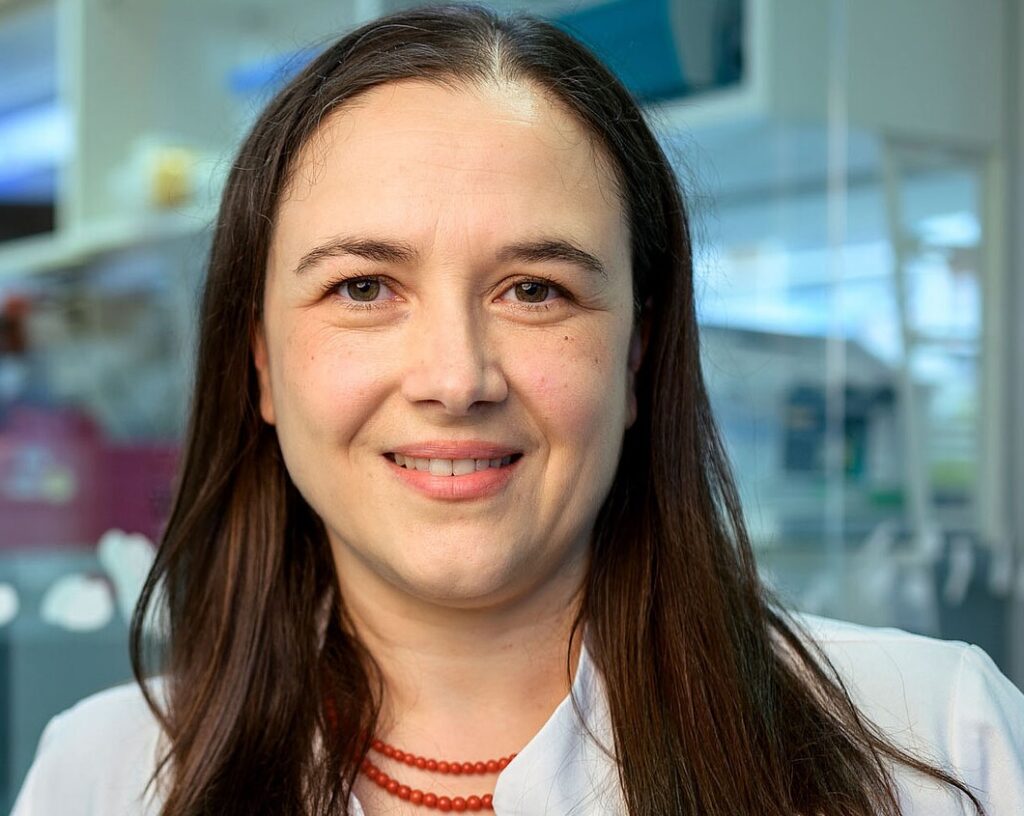
Dr. Annett Halle is a neuropathologist and neuroscientist at the German Center for Neurodegenerative Diseases (DZNE) in Bonn, where she leads the Brain Bank Unit and leads a research group focused on neuroimmunology. Her research investigates the role of microglia and innate immune pathways in neurodegenerative disorders, with the aim of advancing our understanding of disease mechanisms and identifying novel therapeutic strategies.
Eleftheria Koropouli, MD, PhD
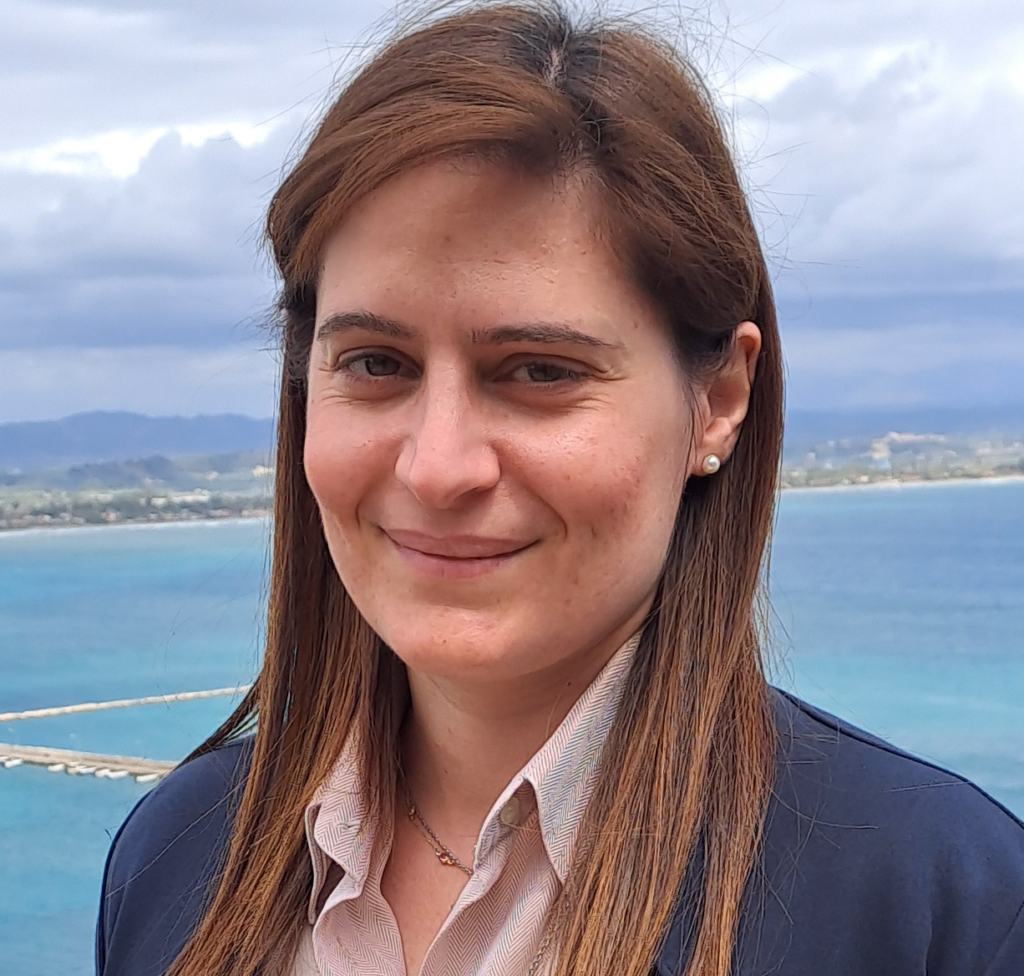
Eleftheria Koropouli obtained her medical degree from the National and Kapodistrian University of Athens (NKUA) in 2007. Next, she pursued Doctor of Philosophy (PhD) in Neuroscience at the Johns Hopkins University, MD, USA, in the laboratory of Alex L. Kolodkin, studying central nervous system morphogenesis directed by Semaphorins (2008-2016). Following this, she did residency in Neurology at the 1st Department of Neurology of NKUA at Aiginition Hospital. Next, she worked as a Fellow at the 2nd Department of Neurology of NKUA at Attikon Hospital (2023-2024). Since 2025 she works at the Department of Neuromuscular Disorders of Aiginition Hospital and since 2026 she is responsible for the Inpatient and Outpatient Clinic for Motor Neuron Disease patients. She has received several awards, including a Distinction Award from the School of Medicine of NKUA (2007), the Kepetzi Award from the Academy of Athens (2008), induction to Phi Beta Kappa Society for excellence in Scholarship (2016). She has also received scholarships incuding a Fulbright Grant (2008-2009), scholarship from the Greek State Scholarships Foundation (2008-2011) and the A.G. Leventis Foundation (2011-2012). She has published scientific articles on Neuroscience, Clinical and translational Neurology.
Dr. Clotilde Lagier-Tourenne
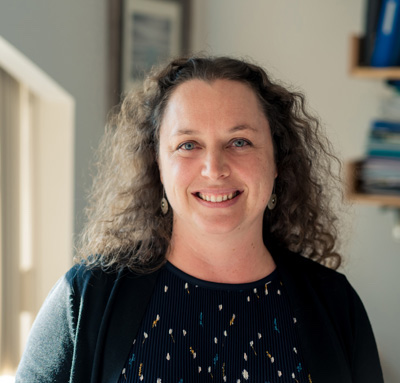
Clotilde Lagier-Tourenne, MD, PhD is Professor of Neurology at the Massachusetts General Hospital and Harvard Medical School. She is the recipient of the Araminta Broch-Healey Endowed Chair in ALS, and associate member at the Broad Institute of MIT and Harvard. She is a member of the Sean M. Healey & AMG Center for ALS at Mass General and serves on the Scientific Advisory Boards of the Northeast ALS Consortium (NEALS), the Muscular Dystrophy Association, Tambourine Foundation and the Packard Center for ALS Research at Hopkins Medical School. She trained as a medical geneticist and neuroscientist in Strasbourg, Columbia University and UC San Diego. Her team investigates the molecular mechanisms driving neurodegenerative diseases including amyotrophic lateral sclerosis (ALS) and frontotemporal dementia (FTD). She has established collaborations with academic and pharmaceutical partners to develop novel approaches to therapy, including RNA-targeting antisense oligonucleotides and immunotherapies for ALS and FTD. She was awarded the 6th International Paulo Gontijo Award in Medicine, the 2017 MIND Satter Young Investigator Award, the 2017 Grass Foundation/American Neurological Association Award in Neuroscience, the 2022 Drs. Lalji & Family ALS Endowed Award for Innovative Healing, the 2023 World Medical Innovation First Look Award, the 2024 Radala Foundation Award and the 2025 NIH Javits Neuroscience Investigator Award.
Dr. John Landers
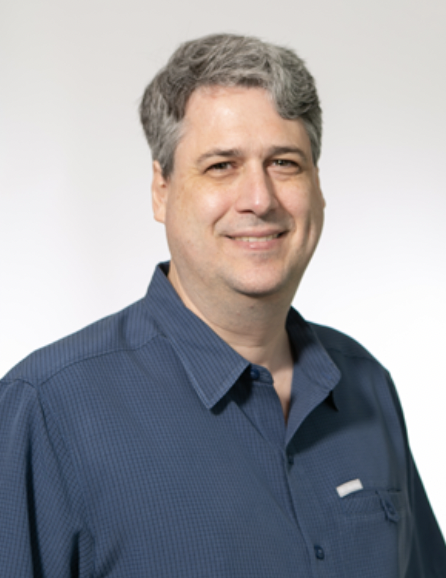
John E. Landers, Ph.D. is Professor of Neurology at UMass Chan Medical School, where his research focuses on the genetics of amyotrophic lateral sclerosis (ALS) and the development of novel therapeutic strategies. His laboratory has been at the forefront of ALS gene discovery, contributing to the identification of PFN1, TUBA4A, NEK1, and KIF5A, and has translated these insights into mechanistic studies and the development of allele-specific antisense oligonucleotide therapies aimed at selectively silencing mutant alleles, including C9ORF72 and TDP-43. Dr. Landers is the Research Leader of Project MinE USA, part of a global 16-country consortium generating whole-genome sequence data from thousands of ALS patients. He is also co-founder of ALS Compute, a national effort to harmonize and centralize ALS whole-genome sequencing data in the cloud, enabling powerful large-scale analyses and accelerating gene discovery for the field. Through these collaborative initiatives and his own laboratory’s innovations, Dr. Landers has played a leading role in defining the genetic landscape of ALS and advancing precision medicine approaches that open new avenues for therapy in neurodegeneration.
For John, the Angel Fund is where it began. He was one of its earliest supported researchers, and the work it backed then is now moving toward the clinic.
Dr. Melanie Leitner
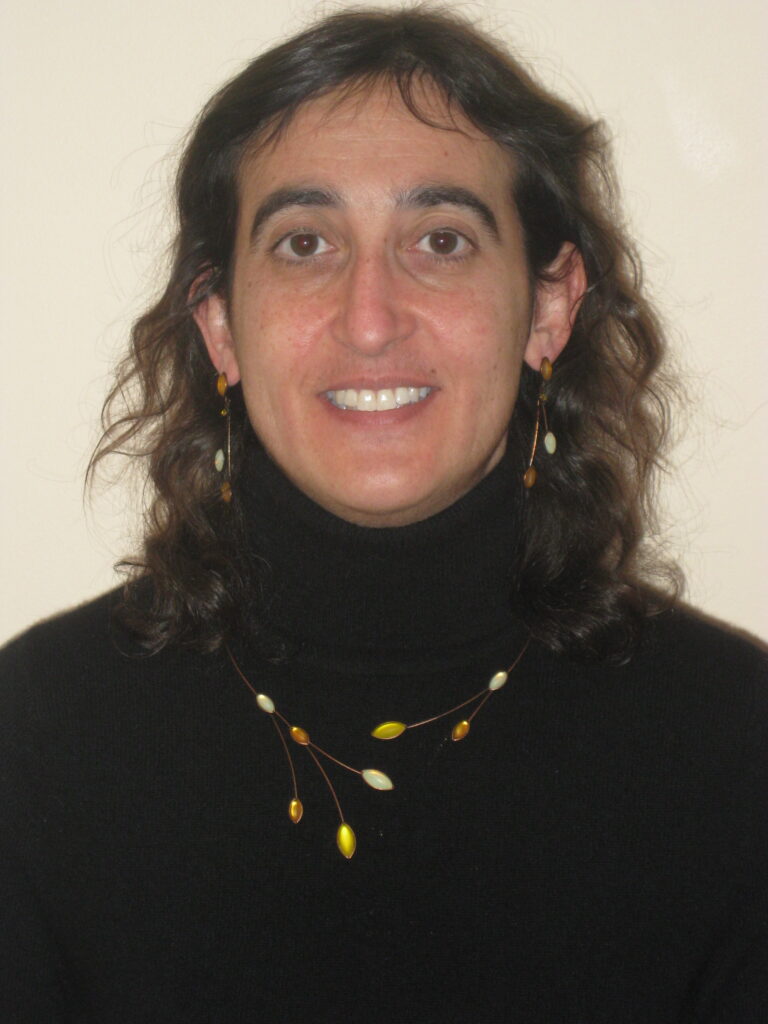
Dr. Melanie Leitner is the Chief Scientific Officer of the ALS Investment Fund, a social impact VC fund investing in companies developing disease-modifying therapies for neurodegeneration, with a particular focus on ALS. She currently represents the Fund as a Board Observer for the clinical stage companies Bloom Science, Dewpoint, ProJenX, QurAlis, and VectorY. She also serves as a Director on the Board of the Center for Neurologic Study, and sits on Scientific Advisory Boards/Committees for Brown University’s Carney Institute for Brain Sciences, BrainScope, the FSHD Society, Gatehouse Bio, and NRG.
Prior to joining the ALS Investment Fund, Melanie founded Accelerating NeuroVentures, LLC, a solo consulting practice providing strategic, programmatic, and business development services to investors, industry, and non-profit clients in the neuroscience translational space. Since its founding, Accelerating NeuroVentures, LLC has worked with more than 35 client organizations across ALS, Parkinson’s, Alzheimer’s, stroke, Duchenne’s, Huntington’s, and MS. Over the past 19 years Melanie has had the opportunity to work with every national ALS organization in the US as well as several international ALS organizations. She was part of the original ALS program team at Biogen, where she worked on the Tofersen program and served as study director for the ALS Methodology Study, a longitudinal clinical study designed to validate novel outcome measures for future ALS clinical trials. She began working in ALS in 2007 as the CSO of Prize4Life, a non-profit spun out of Harvard Business School, where she led the team that received the 2022 Healey International Prize for Innovation for the development of the PRO-ACT database. Prior to her work in ALS, Dr. Leitner held Program Director positions at the non-profits FasterCures and the Society for Neuroscience, and was a member of US Senator Dick Durbin’s Health staff. Melanie was awarded a Howard Hughes Predoctoral Fellowship and a Lucille P. Markey Fellowship for her Ph.D. work at Washington University, and graduated Magna Cum Laude with an Sc.B. from Brown University; all in the field of Neuroscience.
Dr. Zachary McEachin
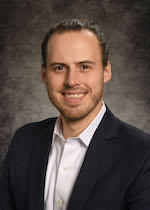
Zachary McEachin is an assistant professor in Human Genetics and Cell Biology at Emory University. His laboratory is focused on understanding the molecular mechanisms underlying neurodegenerative disease, particularly repeat expansion disorders such as C9orf72-ALS/FTD. His research integrates multiomic analyses with diverse experimental models to uncover how genetic and molecular alterations contribute to disease pathogenesis and to identify new therapeutic targets for neurodegeneration.
Dr. Katharina (Karin) Meijboom
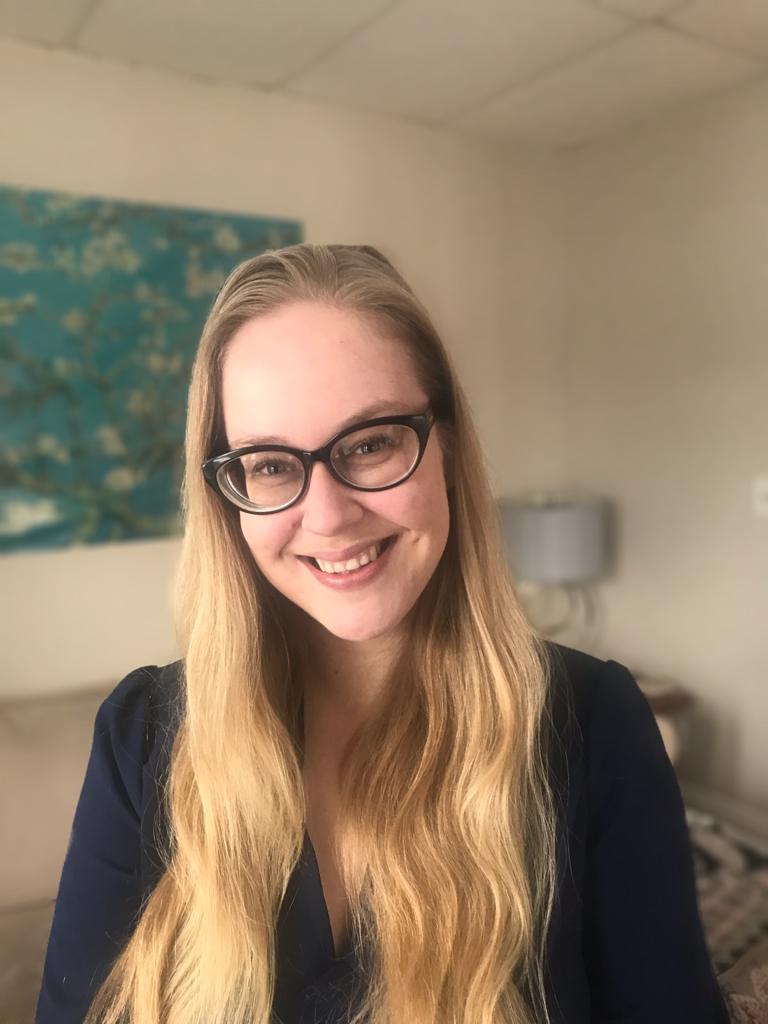
Dr. Katharina (Karin) Meijboom is a postdoctoral researcher at UMass Chan Medical School in the laboratory of Dr. Robert Brown, where she develops next-generation gene therapies for amyotrophic lateral sclerosis (ALS) and other motor neuron diseases. Her interest is to work toward personalized gene therapies for motor neuron diseases. Her work uses state-of-the-art base editing and prime editing, artificial microRNAs, and AAV-mediated gene delivery to tackle the genetic causes of ALS. Current projects focus on correcting pathogenic SOD1 mutations with advanced genome editing approaches, silencing toxic C9orf72 repeat expansions using artificial microRNAs and CRISPR/Cas9-based strategies, and restoring NEK1 function through gene replacement therapy.
Dr. Thomas Meyer
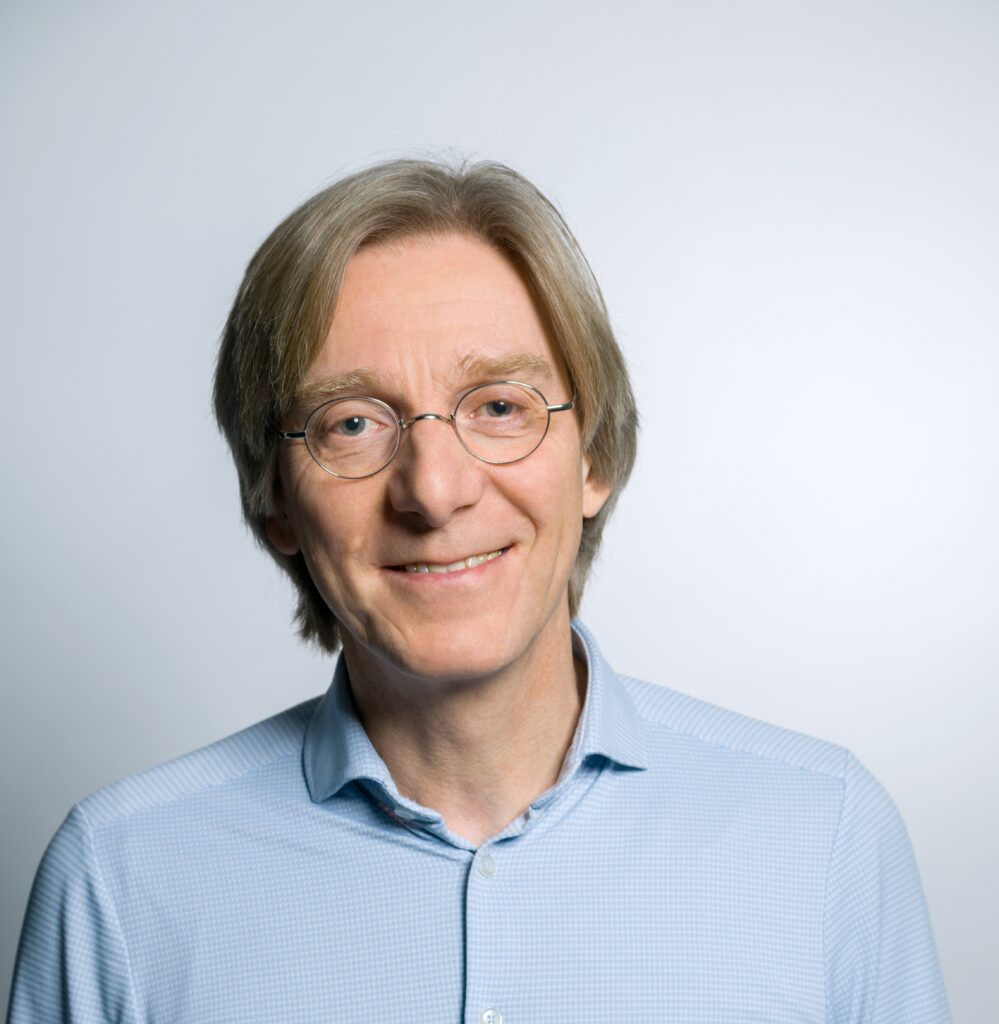
Thomas Meyer is Director of the ALS Center at Charité – Universitätsmedizin Berlin (Germany). Trained at Charité and the University of Ulm, he began his research career investigating the genetics of glutamate transporters in ALS. A board-certified neurologist and specialist in palliative care, he founded Berlin’s multidisciplinary ALS Center in 2002, integrating specialized patient care with clinical research and therapeutic trials. Since 2010, he has pioneered remote digital assessment in ALS and led the development of the ALS App. His research focuses on ALS motor phenotyping, biomarker evaluation, and digital outcome measures. In 2025, he led the initiative introducing the ALS-OPM phenotype classification for clinical practice and ALS clinical trials.
Dr. Masahiro Ohara
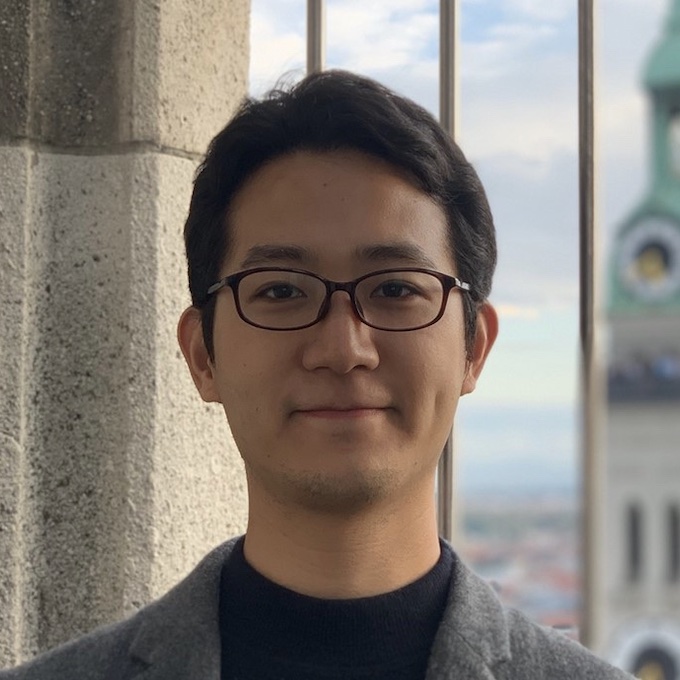
Masahiro Ohara, MD, PhD, is a postdoctoral associate at the RNA Therapeutics Institute, UMass Chan Medical School. His research focuses on developing oligonucleotide therapeutics for amyotrophic lateral sclerosis (ALS), particularly therapies targeting STMN2 mis-splicing and C9orf72-associated ALS. He also studies antisense transcript profiling of C9orf72 to identify novel therapeutic targets and advance RNA-based therapies for neurodegenerative diseases.
Dr. Helene Tran
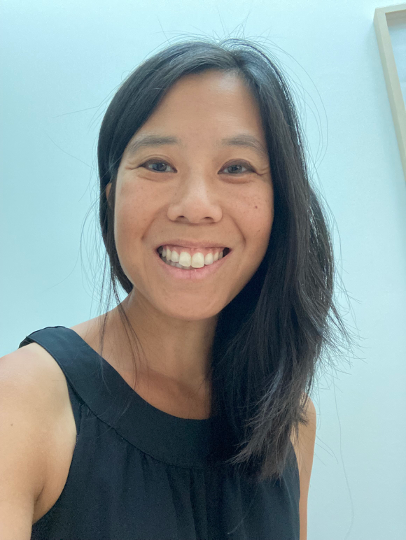
Hélène Tran is Research Director in the Neurology Therapeutic Area at the Servier Research & Development Institute in Paris-Saclay, where she leads efforts in antisense oligonucleotide (ASO) therapeutics development. Her team is dedicated to advancing ASO therapies for brain disorders addressing key technological challenges related to central nervous system delivery, safety and stability.
Prior to joining Servier in late 2018, Hélène held an academic appointment as Instructor at UMASS Medical School, Worcester, USA in the laboratory of Professor Robert Brown. Her research focused on (1) investigating the role of RNA repeat expansions in the pathogenesis of C9ORF72-related amyotrophic lateral sclerosis (ALS) using a diverse set of disease models ranging from flies to patient derived cells and (2) advancing ASO therapeutic approaches in collaboration with the Watts lab at the RNA Therapeutic Institute and the team of Wave Life Sciences. Hélène began her scientific career at the University of Lille, France, where she completed her doctoral studies investigating the contribution of repeat RNA to neuronal toxicity in myotonic dystrophy.
Her contributions to the field have been recognized with several prestigious awards, including the 2024 Young Investigator Award from the Oligonucleotide Therapeutics Society (OTS); the inaugural Servier Group Award from the Servier Executive Committee for her team’s pioneering work on a potential ASO therapy for a rare neurodevelopmental disorder, and the Milton Safenowitz Postdoctoral Fellowship Award from the ALS Association.
Hélène serves on the advisory board of ERDERA (European Rare Disease Research Alliance) supporting efforts to accelerate research in prevention, diagnosis and treatment for rare disease patients. She is also a scientific Board Member of N1Collaborative and OTS (Oligonucleotide therapeutics Society).
Dr. Özgün Uyan
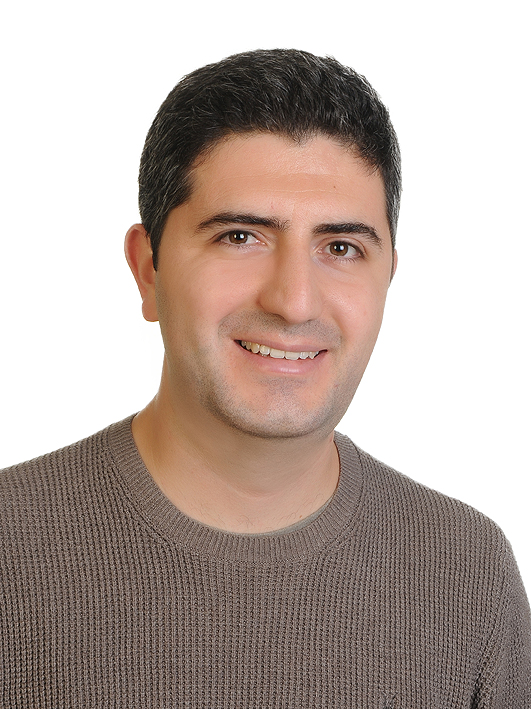
Özgün Uyan, PhD, is a postdoctoral researcher in Dr. Robert Brown’s Lab at UMass Chan Medical School. His work focuses on understanding how the C9orf72 gene hexanucleotide repeat expansion affects in three-dimensional genome organization in amyotrophic lateral sclerosis (ALS) using fibroblasts, iPSCs and iPSC-derived motor neurons. He investigates how chromatin folding changes globally and locally (the C9orf72 gene region) during motor neuron differentiation and maturation. He has also interest in characterizing sense and antisense transcripts using in vitro and in vivo models.
Dr. Jonathan Watts
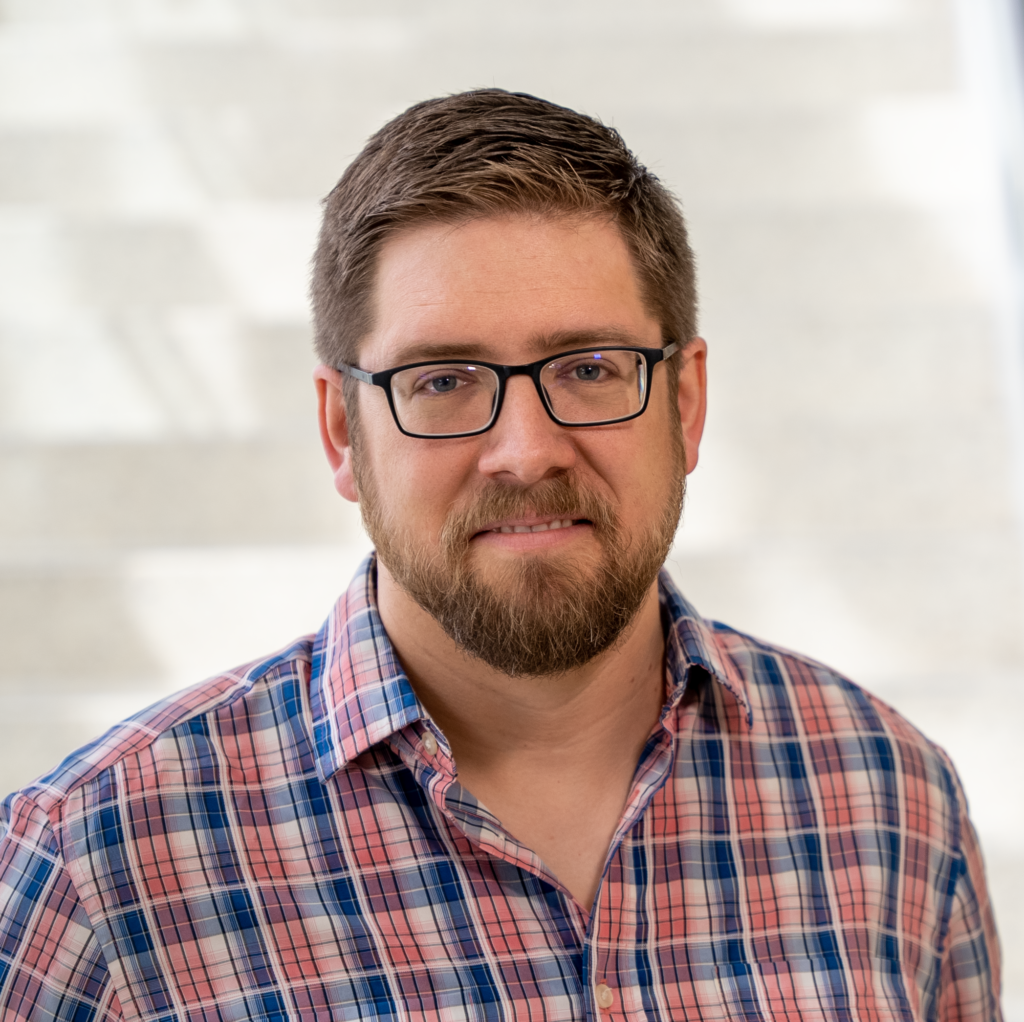
Jonathan Watts completed his PhD in chemistry from McGill University and carried out postdoctoral work in biochemistry and pharmacology at UT Southwestern Medical Center. He then moved to the UK to start his independent group at the University of Southampton in 2012. In 2015 he moved to the RNA Therapeutics Institute of UMass Chan Medical School (Worcester, Massachusetts, USA) where he is now Professor. Work in the Watts lab is mainly focused on the optimization of oligonucleotide therapeutics for use in the brain and lung, and on increasing the efficacy and versatility of genome editing for therapeutic use. The Watts lab works on both platform technology and disease applications, and has contributed to the development of multiple oligonucleotide drugs that have reached ALS patients on a compassionate use basis. Jon has published over 100 papers and 30 patents, and also co-edited the textbook Nucleic Acids in Chemistry and Biology, 4th Edition (Blackburn, Egli, Gait and Watts, 2022).
Dr. Jochen Weishaupt
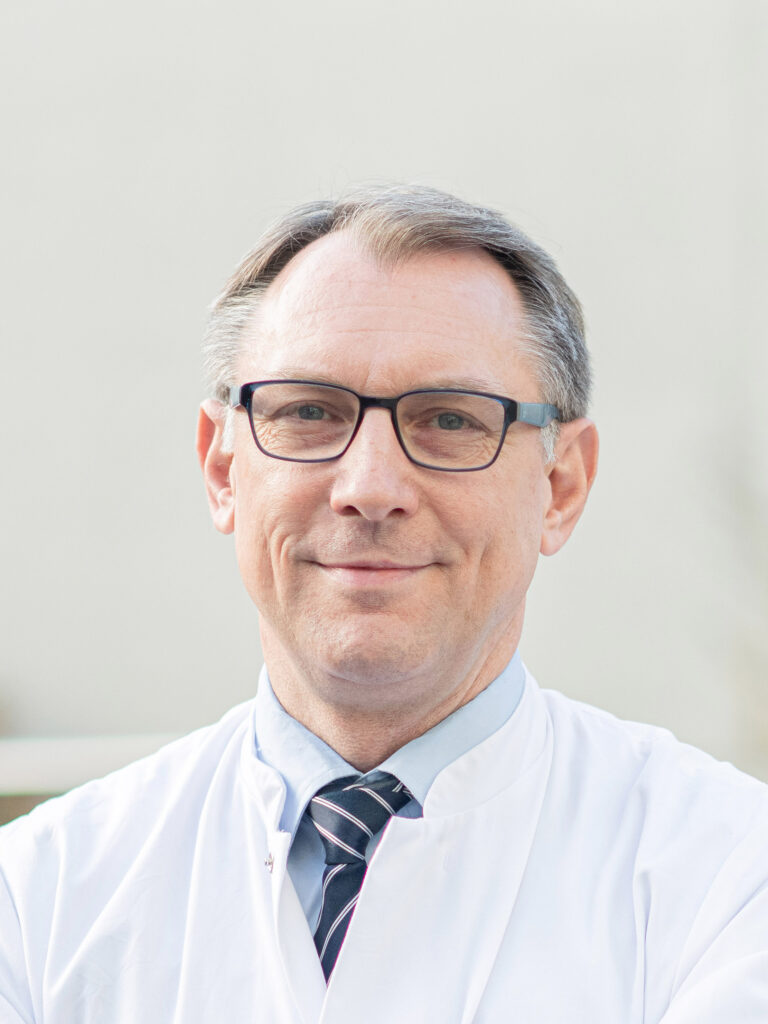
Prof. Dr. med. Jochen Weishaupt is a physician, scientist, and neurologist. Since November 2024, he has been one of the medical directors of the Department of Neurology at Ulm University Hospital. His research focuses on the genetics and molecular biology of neurodegenerative diseases, including motor neuron diseases and Parkinson’s disease. His goal is to decipher the genetic causes of ALS, identify new therapeutic targets, and ultimately develop new treatment methods. Prof. Weishaupt’s research focuses on identifying the disease-causing genes responsible for ALS or PFBC (e.g. KIF5A, TBK1, MYORG) and on elucidating their underlying mechanisms. Based on these human genetic discoveries, his team has developed new stem cell-based in vitro models as well as genetic mouse models. These models serve to decipher the molecular genetic mechanisms of motor neuron disease and Fahr’s disease (PFBC) and to establish new paradigms for drug screening. In other projects, he has investigated mechanisms of intercellular transmission of prion-like, misfolded proteins in ALS (e.g., TDP-43) as well as apoptotic cell death in neurodegenerative diseases. In addition, he has participated in or led numerous projects focused on biomarker discovery and clinical trials in the field of ALS. Prof. Weishaupt has served as principal investigator or co-investigator in more than 20 clinical trials, including both industry- and researcher-initiated studies.“
Dr. Patrick Weydt
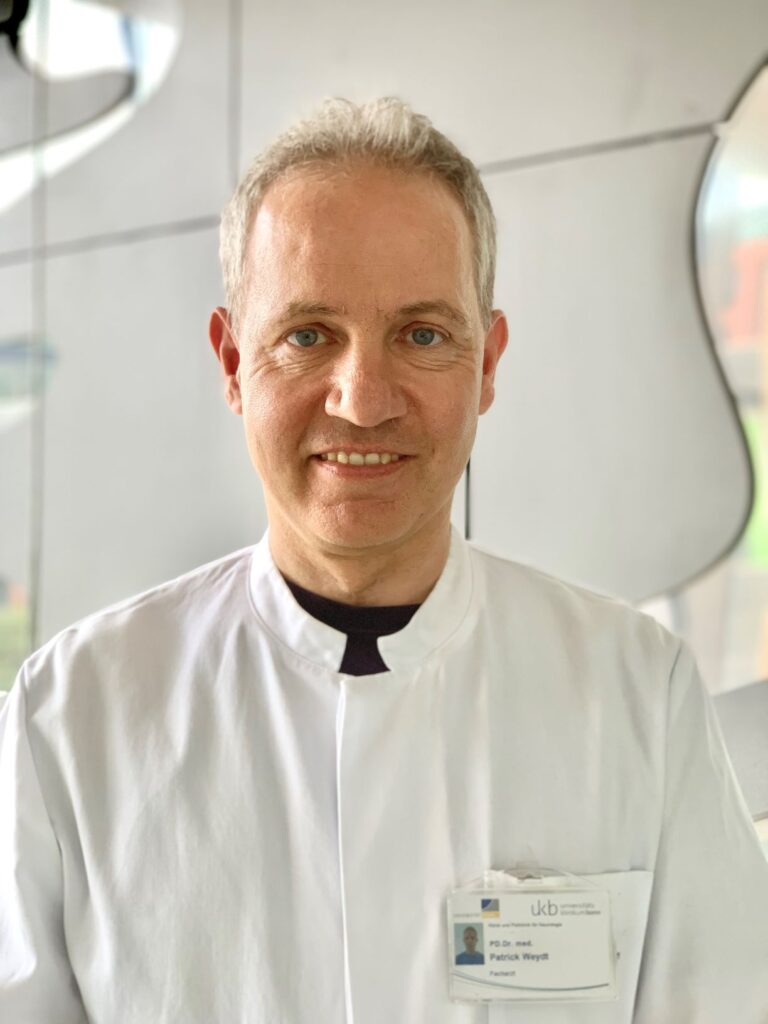
PD Dr. med. Patrick Weydt is a consultant neurologist, certified neurogenetic counselor and research group leader at the NeuroCenter of University Hospital Bonn and the German Center for Neurodegenerative Diseases (DZNE). He obtained his neurology training at the University Hospital in Ulm, Germany with Albert Ludolph and Bernhard Landwehrmeyer and did his postdoc with Albert La Spada at the University of Washington in Seattle, USA. In his clinical work, he cares for people with motoneuron diseases, particularly amyotrophic lateral sclerosis (ALS), and leads the Motoneuron Disease Clinic in Bonn. He also founded the B-center for Motoneuron Diseases and Choreatic Movement Disorders at the Center for Rare Diseases Bonn. His ALS research is closely connected to his clinical practice and focuses on disease mechanisms, biomarkers and translational therapeutic strategies, including neurofilaments, cardiac troponin T, and innovative treatment approaches for genetically defined forms of ALS, especially, C9ORF72, CHCHD10, TDP43 and SOD1.
Beyond ALS, Patrick Weydt has a longstanding clinical and scientific commitment to Huntington’s disease and currently chairs the Executive Committee of the European Huntington Disease Network (EHDN). He also serves as a core member of the Scientific Advisory Group for Neurology at the European Medicines Agency (EMA), where he contributes neurological expertise to regulatory discussions. His academic profile includes an h-index of 51, more than 10,000 citations, editorial board membership of Annals of Neurology and the Journal of Huntington’s Disease, and the 2025 Felix Jerusalem Prize of the Deutsche Gesellschaft für Muskelkranke for his work repurposing cardiac troponin T as a serum biomarker in ALS.